Skip to content
If you’re weighing windows and shutters against curtains or drapes, here’s the short answer: shutters cost more upfront, but they’re built into the window frame as a permanent fixture, typically last decades, and need almost no replacement over time. Curtains and drapes cost less to start, offer more styling flexibility, but wear out faster, fade in direct sun, and usually need replacing every several years. For homeowners planning to stay put, shutters tend to win on long-term value. For renters or frequent redecorators, curtains still make sense.
Here’s a closer look at how the two options actually compare once you factor in durability, maintenance, energy performance, and what happens to the cost over five or ten years.
It’s a decision most homeowners only make once every decade or two, so it’s worth taking the time to think past the initial price tag on the showroom floor. The window treatment you choose affects your energy bills, how much upkeep you’re signing up for, and even what your home is worth if you decide to sell down the road.
Contents
How Do Shutters and Curtains Compare Upfront?
Curtains and drapes are almost always the cheaper option at the point of purchase. Fabric panels can be found at nearly any price point, which makes them an easy choice for a tight budget or a temporary living situation. Plantation shutters for windows, by comparison, are custom-built to each window’s exact measurements, which drives the upfront cost higher. That custom fit is also exactly what makes them function so differently once they’re installed.
Which Option Actually Lasts Longer?
This is where the comparison starts to shift. Curtains rely on fabric durability, and even quality fabric fades, thins, and collects dust over years of sun exposure and regular handling. Most homeowners replace curtains every five to ten years, sooner in rooms with direct sunlight.
- Shutters: Built from wood or composite materials, fitted directly into the window frame, and commonly last 20 to 30 years or longer.
- Curtains and drapes: Fabric-dependent, generally need replacement every five to ten years depending on sun exposure and fabric quality.
- Blinds and shades: Fall in between, with lifespan varying widely by material and how often the mechanism is used.
Over a 20-year window, a homeowner might replace curtains two to three times, while shutters installed once often need nothing more than routine cleaning. Even accounting for the higher upfront cost of shutters, the math over that timeframe frequently favors the option that doesn’t need repeat purchases.
There’s also a practical difference in how each option ages. A faded curtain panel is obvious the moment sunlight hits it, and mismatched replacement fabric years later rarely matches the original perfectly. Shutters, by contrast, age slowly and evenly, since the materials are chosen specifically to resist fading and warping over long stretches of daily use.
What About Maintenance and Cleaning?
Shutters are genuinely low-maintenance. A quick wipe with a microfiber cloth handles dust, and an occasional damp cloth takes care of anything more stubborn. Curtains require more ongoing effort: regular washing or dry cleaning, careful handling to avoid fading, and eventual replacement once fabric starts to look tired regardless of how well it’s cared for.
This difference matters more than it seems at first. The time and cost of maintaining curtains adds up quietly over years, while shutters largely stay out of the picture once installed.
Do Shutters or Curtains Perform Better for Energy Efficiency?
Shutters have a real edge here. Because they’re fitted flush against the window frame, they create a tighter seal that reduces drafts and helps regulate indoor temperature in both summer and winter. Curtains and drapes can help too, especially with thermal linings, but they hang loose in front of the window rather than sealing against it, which limits how much heat loss they actually prevent.
For homeowners focused on energy costs specifically, cellular shades are also worth considering alongside shutters, since their honeycomb construction is designed specifically around insulation.
What About Resale Value?
Shutters are generally treated as a permanent fixture, similar to built-in shelving or crown molding, and they typically stay with the home when it sells. Real estate professionals often note that shutters photograph well and signal quality to buyers. Curtains and drapes, on the other hand, are considered personal decor and usually leave with the seller, which means they add nothing to the home’s resale value no matter how much was spent on them originally.
So Which Should You Choose?
There’s no universal right answer, and the decision usually comes down to how long you plan to stay in the home and how you weigh upfront cost against long-term value:
- Choose shutters if you’re staying long-term, want low maintenance, and value energy efficiency and resale benefits.
- Choose curtains or drapes if you’re renting, redecorating frequently, or need a lower upfront cost right now.
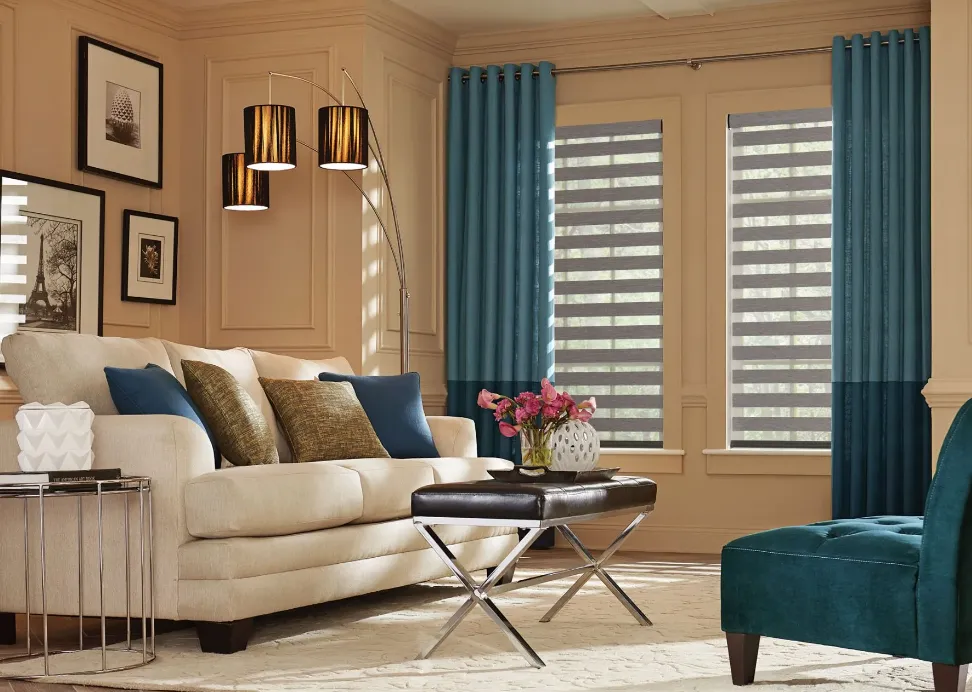
- Consider layering both if you want the durability of shutters with the softness and styling flexibility curtains add to a room.
See the Difference in Person
Photos only tell part of the story when it comes to comparing blinds and shades against shutters and fabric treatments. Bartlett Blinds and Shutters brings samples directly to homes across Collegeville, Pennsylvania and the surrounding area, so you can see materials up close and compare the long-term value for your own windows. Schedule a free consultation to get started.
Frequently Asked Questions
Q: Are shutters really worth the higher upfront cost compared to curtains?
For homeowners planning to stay in their home long term, most find that shutters pay off over time through fewer replacements, lower maintenance, and better energy performance. For short-term living situations, curtains often make more practical sense despite the lower long-term value.
Q: How long do plantation shutters for windows typically last?
Well-made shutters, properly installed, commonly last 20 to 30 years or longer. Wood shutters may show more wear in high-sun or humid rooms over many decades, which is why composite shutters are often recommended for those settings.
Q: Do curtains or shutters do a better job with insulation?
Shutters generally perform better for insulation since they’re fitted flush against the window frame, creating a tighter seal against drafts. Curtains can help, especially with thermal linings, but they hang loose rather than sealing against the window, which limits their effectiveness.
Q: Can shutters and curtains be used together in the same room?
Yes, layering is a common approach. Shutters provide the structural light and privacy control, while curtains or drapes add softness, color, and a finished decorative look. This combination gets the durability of shutters without losing the styling flexibility fabric offers.
Q: Do shutters actually add resale value to a home?
Shutters are typically treated as a permanent fixture and stay with the home when it sells, which real estate professionals often cite as a positive for buyer perception. Curtains and drapes are considered personal decor and usually leave with the seller, so they don’t contribute to resale value in the same way.
Q: How often do curtains need to be replaced compared to shutters?
Curtains typically need replacement every five to ten years depending on fabric quality and sun exposure, while shutters installed once often last decades with nothing more than routine cleaning.
Q: Is it cheaper in the long run to buy curtains multiple times or shutters once?
Over a 15 to 20 year period, the total cost often favors shutters, since a single custom installation can outlast two or three rounds of curtain replacement. The upfront cost is higher, but the long-term cost of ownership tends to be lower.